
Live Baccarat Slot Interface Usability Check

Live Baccarat merges a traditional baccarat table with digital slot mechanics, producing a hybrid game that demands careful interface design. Players engage with a live dealer while putting bets through a slot-style panel that presents paylines, multipliers, and bonus triggers. The usability of this interface influences how quickly users can scan card values, make wagers, and understand results without errors or delays. This review evaluates the layout, controls, and visual elements that impact the overall experience.
Audio Cues and Accessibility Settings
Game sounds accompany every card reveal, winning line, and bonus activation. Sound sliders allow separate control of dealer audio, table atmosphere, and interface sounds, so participants can mute any component without turning off the entire game. Captions appear beneath the dealer feed for verbal announcements, covering both standard phrases and bonus descriptions. Color vision modes replace red and black card suits with distinct patterns, ensuring that bonuses based on suits remain identifiable. Keyboard operation supports moving through every interactive component, and focus indicators remain visible at all times. These options are stored in browser local storage, so repeat players do not need to reset configurations on each session.
Each audio slider includes a numeric readout that indicates the exact percentage level, allowing fine-tuning without relying on visual guesswork. Subtitles can be scaled on their own of the main interface, catering to players who require larger text for readability. The color vision mode offers two distinct palettes: one that substitutes symbols for suits and another that uses high contrast hues, giving users a choice based on their specific vision requirements. Focus indicators use a two-pixel outline that aligns with the active theme color, maintaining clarity without adding new visual elements. All accessibility settings stay across visits and devices when the individual authenticates with the same account details.
Live Result Feedback and Animation Timing
Following every round, the interface presents the winning combination in the center of the grid while the live feed shows the actual cards being turned. A brief timer counts down the three-second period during which players can check the outcome before the subsequent betting cycle begins. The result banner lists the hand type, the quantity of lines that paid, and the total payout, all in a single line of text that does not cover the grid. Animation speed is configured to complete within one second, stopping overlap with the dealer’s next action. If a bonus round activates, the grid diminishes and the bonus screen enters from the right, keeping continuity without demanding a page reload. Players can toggle a fast-play option that shortens animations by half, helpful during lengthy play where speed is important more than visual detail.
The result banner has a anchored spot at the top of the grid so that it does not obscure active paylines or the present bet indicator. When a bonus round finishes, the grid shows again with the same line configuration that was in use before the bonus, removing the need to choose again lines. The fast-play toggle contains a constant marker in the corner that displays the ongoing animation pace, preventing confusion during later rounds. If the dealer experiences a technical issue, the interface pauses the result timer and presents a short notification, guaranteeing players do not forfeit review time due to external issues. These timing controls maintain the pace consistent while supporting both careful and rapid play styles.
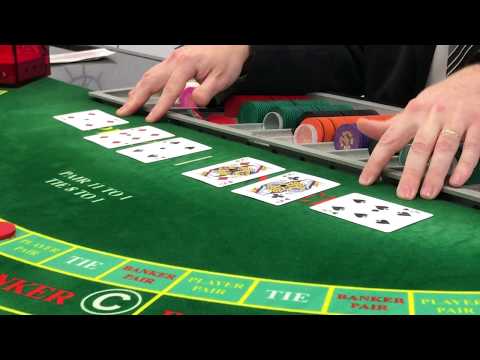
Symbol Identification and Win-Line Clarity
Symbols show up in two styles: standard card ranks from nine to ace and special icons depicting the dealer, the player, and the tie. Each image takes up a fixed cell size so that amounts remain legible even when multiple icons align on a single line. The payline markers use thin colored lines that move across the grid, matching the color of the corresponding bet amount field. When a line hits, the line and its icons light up together for two seconds, giving players immediate visual feedback without relying solely on the result banner. The paytable lists every possible three-symbol, four-symbol, and five-symbol group with exact credit figures, allowing players confirm payouts before dedicating funds. Scatter symbols skip the payline requirement and start a separate bonus round when three or more appear anywhere on the grid, a fact clearly explained in the rules panel.
Each symbol includes a small corner label that displays its base credit value when hovered, providing an immediate reference without opening the full paytable. The colored payline paths use a two-pixel thickness that remains visible against both light and dark backgrounds, eliminating the need for additional contrast adjustments. When multiple lines hit simultaneously, the interface orders the flash effects so that each line is highlighted in turn rather than all at once, preventing visual confusion. The rules panel specifies the exact reel positions that qualify as scatter triggers, removing any uncertainty about whether edge or center positions hold different significance. These points ensure that symbol analysis remains uniform across all session lengths.
Layout and Visual Hierarchy
The primary screen divides into three sections: the live video feed on the left, the betting grid in the center, and the paytable on the right. The video feed covers approximately sixty percent of the width, leaving enough space for the dealer and card reveal area without crowding. The betting grid uses a grid of three rows and five columns, each cell indicating a possible line combination. High-contrast borders distinguish the cells so players can follow individual paylines without misreading adjacent numbers. The paytable panel displays symbol values, line multipliers, and scatter combinations in descending order, allowing quick reference during play. Font size remains consistent across all zones, preventing smaller text from disappearing when the window is resized. The entire layout uses a fixed aspect ratio that scales proportionally on desktop monitors and tablets, avoiding distortion or hidden controls.
Each zone maintains a minimum pixel width that stops elements from collapsing on smaller viewports. The live feed window reserves a dedicated strip at the bottom for dealer name and table number, keeping this information visible even when the feed is maximized. The betting grid incorporates a subtle drop shadow beneath each cell to create depth, assisting players distinguish between active and inactive lines at a glance. The paytable panel features a thin vertical divider that separates base game payouts from bonus round values, lowering the chance of misreading a multiplier during fast decisions. All text elements use a sans-serif typeface with a minimum fourteen-pixel height, ensuring readability across both high-density and standard-density displays without requiring manual zoom.
Betting Panel Controls and Input Accuracy
The betting panel places wager amounts directly beneath each payline, using increment buttons of plus and minus ten units as opposed to free-form input fields. This design reduces entry errors and speeds up repeated bets. A separate max-bet toggle engages the highest allowed stake across all active lines in a single click. The panel shows the current total stake, the number of active lines, and the remaining balance in three adjacent fields that update immediately after every action. Hover states emphasize the exact line being adjusted, confirming which combination will receive the new amount. Keyboard shortcuts allow players to increase or decrease stakes without moving the mouse, which is helpful during fast dealer rounds. All controls remain active during the betting window and deactivate on their own once the dealer begins the draw, preventing accidental changes mid-round.
Each increment button contains a long-press function that accelerates the count after three repeated presses, allowing rapid stake changes without multiple clicks. The max-bet toggle presents a brief confirmation tooltip when activated, showing the exact total before the change is applied. Balance and stake fields use a fixed-width font so that digits remain aligned during rapid updates, preventing the visual jump that takes place with proportional fonts. When a player seeks to exceed the table limit, the interface briefly highlights the max-bet button in red and disables further increases until the stake is reduced. These safeguards preserve accuracy while preserving the speed required for live rounds.
Efficiency Under Changing Network Conditions
The interface observes connection latency and adapts the betting window length correspondingly https://livebaccaratgame.eu/. When latency goes beyond two hundred milliseconds, the system extends the betting timer by five seconds and presents a network indicator in the corner. If the connection is lost mid-round, the game state is cached locally and reinstated automatically upon reconnection, maintaining any pending bets. Asset loading uses progressive compression, so the initial grid and controls appear within one second even on slower connections, while high-resolution card textures load afterward. Players can manually lower the video quality from HD to SD through a settings menu, reducing bandwidth without impacting the betting grid or result calculations. These measures ensure the core gameplay functional regardless of network fluctuations.
The network indicator varies color based on severity: yellow for moderate latency and red for critical delays, offering immediate visual feedback without needing players to open a separate diagnostics panel. When the connection is restored, the interface shows again the last three seconds of the dealer feed at double speed to sync the visual state current, eliminating any sense of missed action. Progressive asset loading gives priority to the betting grid and result banner over background textures, ensuring that core functionality remains available even if high-resolution elements are still downloading. The SD video option reduces bandwidth by approximately sixty percent while maintaining sufficient clarity for card recognition, enabling continued play on limited data plans without compromising accuracy.
Peak Exposure and Safe Limits
Each payline allows bets from one to one hundred credits, with a maximum of twenty-five active lines, generating a top stake of two thousand five hundred credits per round. The theoretical return to player stands at ninety-six point five percent under standard conditions, though this figure can vary slightly when bonus features are active. The maximum single-round payout attains fifteen thousand times the line bet when five dealer symbols align on the top line combined with a multiplier from the bonus round. A session loss limit can be set through the account panel, automatically ending the game once the chosen threshold is attained. Players should confirm the current RTP and volatility settings on the official information page before committing larger stakes, as these values directly affect expected returns over extended play.
The interface presents the current RTP value in the paytable header, updating automatically if bonus features alter the theoretical return during the session. Session loss limits can be modified at any time before the betting window closes, but changes take effect only on the next round to prevent mid-session confusion. The maximum payout calculation encompasses both base game and bonus multipliers, with the exact formula listed beneath the paytable so that players can confirm potential returns before placing large stakes. A separate responsible gaming panel supplies direct links to deposit limits and self-exclusion options, ensuring that players can use these tools without leaving the game interface. These transparency measures aid informed decisions while maintaining the speed required for live dealer rounds.
The interface functions when every control, animation, and feedback element operates without friction, allowing players to concentrate on the cards rather than the mechanics. Examine the paytable and test the betting panel in demo mode first, then adjust audio and speed settings to match personal preference. Only after these steps should real stakes be placed, ensuring the session begins with full understanding of both the game rules and the interface behavior.